By Nizar Alami, Founder · Reviewed by Rachide Ouazzani, Senior guide (medina & culture) · Updated 2026-10-06
Every traveller asks it before booking: “Is Morocco safe?” As a licensed operator running tours across the country for years, I hear this more than any other question. The short answer is yes — millions of tourists visit Morocco each year without incident. But like any destination, it has risks you need to understand. This guide cuts through the noise with official advisories, on-the-ground experience, and practical steps to stay safe. For more planning advice, visit our Morocco planning hub.
Quick answer: Quick answer
Yes, Morocco is generally safe for tourists, but it’s important to be aware of petty crime and the terrorism threat. The UK FCDO and US State Department advise increased caution. With common-sense precautions and a reputable guide, most visits are trouble-free. Read on for detailed safety advice.
Government Travel Advisories: The Official Word
Before you pack, check the latest travel advice issued by your government. Official advisories can provide important updates on safety, local conditions, entry requirements, and areas where extra caution may be needed. Here are the latest advisories from two key sources.
UK FCDO Advice
The UK Foreign, Commonwealth & Development Office (FCDO) warns that terrorists are likely to try to carry out attacks in Morocco and attacks could be indiscriminate, including in places visited by foreign nationals. It also highlights:
- Petty crime is common in tourist areas, especially in historical districts (medina quarters) and on beaches, including pickpocketing, bag-snatching and drive-by motorcycle theft.
- Occasional violent crime occurs; criminals have used knives against tourists in street attacks, thefts and burglaries in major cities and along beaches.
- Deaths and serious illness have been caused by alcoholic drinks containing methanol.
- Many taxis booked through ride-sharing applications may be unregulated and unlicensed, and drivers may not be insured to carry passengers.
- Public health facilities struggle to provide adequate medical care, while private clinics are available.
The FCDO also notes that the last major earthquake, in 2023, killed almost 3,000 people, and that heavy rain can cause flash flooding, particularly in the mountains or near rivers during winter months. There is a risk of wildfires during the summer season.
US State Department Advisory
The US Department of State issued a Level 2 “Exercise increased caution” advisory for Morocco dated September 04, 2026, due to the risk of terrorism. It adds:
- Violent crime against tourists is less common than petty theft but does occur, including muggings and assaults, particularly in remote areas or at night.
- Women travellers may experience verbal harassment, unwanted attention, or inappropriate touching, particularly in crowded areas.
- Same-sex sexual relations are criminalized in Morocco.
Both governments list the same emergency numbers: ambulance 150, fire 150, police 190, and Gendarmerie Royale 177.
Common Safety Concerns in Morocco
Morocco is a popular destination, and most visits are trouble-free, but travelers should be aware of a few common safety concerns. Current government guidance recommends increased caution, particularly because of the potential for terrorism. (Travel.state.gov)
Petty Theft and Pickpocketing
Pickpocketing, bag-snatching, and theft are most common in crowded tourist areas, souks, medinas, beaches, and public transportation. Keep phones, wallets, and passports secure, and avoid displaying expensive jewelry or large amounts of cash. (GOV.UK)
Scams and Unofficial Guides
Travelers may encounter persistent sales pitches, inflated prices, or people posing as unofficial tourist guides, particularly around historic medinas. If you hire a guide, use an officially authorized guide and agree on prices before purchasing services. (GOV.UK)
Traffic and Road Safety
Road safety can be a greater concern than travelers expect. Scooters, pedestrians, bicycles, animals, and cars often share busy roads, while mountain roads can be narrow, steep, and winding. Extra caution is advisable when driving at night or traveling through rural areas. (Travel.state.gov)
Demonstrations and Crowds
Demonstrations can occur, particularly in major cities, sometimes with little warning. Avoid protests and large political gatherings, as they can become unpredictable and cause transportation disruptions. (GOV.UK)
Harassment
Women traveling alone may experience unwanted attention or verbal harassment, particularly in busy areas. Dressing relatively conservatively and avoiding isolated places after dark can help reduce unwanted attention. (GOV.UK)
Terrorism
Morocco maintains strong security measures, but authorities continue to warn of the possibility of terrorist attacks. Tourist attractions, transport hubs, crowded public spaces, and other locations frequented by foreigners can be potential targets. Staying aware of your surroundings and following local authorities' instructions is recommended. (GOV.UK)
Weather and Natural Hazards
Heavy winter rainfall can cause flash flooding, particularly in mountainous and rural areas. Morocco also experiences earthquakes, while summer can bring dangerous heat and wildfires. Check local weather conditions when traveling in the mountains or planning outdoor activities. (GOV.UK)
Respect Local Laws and Customs
Visitors should be mindful that some Moroccan laws differ considerably from those in Europe and North America. Restrictions concern areas such as drugs, public displays of affection, alcohol consumption outside licensed venues, photography of sensitive locations, and same-sex sexual activity. (GOV.UK)
Practical tip: For most travelers, the biggest day-to-day concerns are petty theft, scams, traffic, and unwanted attention rather than serious violent crime. Keeping valuables secure, using reputable transportation and guides, avoiding isolated areas at night, and respecting local customs go a long way toward having a smooth trip. (GOV.UK)
Common Safety Concerns in Morocco
Morocco is generally a welcoming destination, but like anywhere, it’s worth taking a few basic precautions. The most common concerns for travelers are pickpocketing, scams, unwanted attention, and busy traffic, especially in crowded medinas and tourist areas.
Keep your valuables secure, be cautious with unofficial guides, and agree on prices before accepting services. When exploring cities, stay aware of your surroundings and take extra care when crossing busy streets.
Travelers heading into the mountains or rural areas should also keep an eye on weather conditions, particularly during periods of heavy rain. With a little preparation and common sense, most visitors can enjoy Morocco comfortably and safely.
Petty Theft and Scams
Pickpocketing and bag-snatching are the most common crimes affecting tourists, especially in crowded medinas, souks, and on public transport. Thieves often work in pairs or on motorcycles. Keep valuables out of sight, use a cross-body bag, and avoid flashing expensive jewellery or electronics. For a full rundown of tricks to watch for, read our guide to common scams in Morocco.
Terrorism Threat
The terrorism threat in Morocco is real but not unique to the country. The UK FCDO says attacks could be indiscriminate. Moroccan security forces actively monitor and disrupt plots, and tourist police are visible in major cities. Stay aware of your surroundings, avoid large demonstrations, and follow local news.
Violent Crime
Violent crime against tourists is rare but not unheard of. The US State Department notes that muggings and assaults do occur, particularly in remote areas or at night. Stick to well-lit streets after dark, avoid walking alone in isolated spots, and use licensed taxis or pre-arranged transport.
Road Safety
Road accidents are a leading cause of injury for travellers. The UK FCDO warns that many taxis booked via ride-sharing apps may be unregulated and unlicensed. Always use official petit taxis (within cities) or grand taxis for intercity trips, and ensure the driver uses the meter. For longer journeys, book a private driver through a reputable operator. See our tips on safe transportation in Morocco.
Health and Food Safety
Tap water is not safe to drink in most areas; stick to bottled water. The UK FCDO warns about methanol in counterfeit alcohol — buy drinks only from licensed bars and restaurants. Public hospitals are basic; private clinics in cities like Marrakech and Casablanca offer better care. Comprehensive travel insurance is essential. For more, see our health and safety tips.
Safety for Women Travelers
Morocco is a welcoming destination for women travelers, but a little extra awareness can make the experience more comfortable. Unwanted attention or comments can sometimes occur, particularly in busy markets and tourist areas.
Dressing modestly, especially outside major tourist centers, can help you feel more comfortable and show respect for local customs. When exploring after dark, stick to well-lit, busy areas and use reputable taxis or transportation. Solo travelers should also let someone know their plans when heading into quieter or remote areas.
With sensible precautions and confidence, women can enjoy Morocco’s cities, mountains, and cultural experiences while feeling comfortable and prepared.
Harassment and Unwanted Attention
The US State Department confirms that women travellers may experience verbal harassment, unwanted attention, or inappropriate touching, especially in crowded areas. This is more common in tourist-heavy medinas. Dressing modestly, wearing sunglasses, and walking with confidence can reduce unwanted interactions. A firm “la, shukran” (no, thank you) usually works.
Dress Code: Can You Wear Shorts in Marrakesh?
Wearing shorts is not illegal, but it is culturally insensitive in many neighbourhoods. In tourist zones, you’ll see shorts, but to avoid stares and harassment, opt for knee-length shorts or loose trousers. Women may feel more comfortable in maxi skirts or linen trousers. Our detailed women’s safety in Morocco guide covers this in depth.
Tips for Solo Female Travelers
- Book accommodations with good reviews from solo female guests.
- Avoid walking alone in dimly lit medina alleys after dark.
- Use licensed guides for first-time explorations — it’s the best way to feel secure while learning the layout.
- Trust your instincts; if a situation feels off, remove yourself.
Legal Status
Same-sex sexual relations are criminalized in Morocco under Article 489 of the penal code. The US State Department explicitly states this. While prosecutions of foreigners are rare, the law is on the books.
Practical Advice
Discretion is essential. Avoid public displays of affection, regardless of your orientation — even heterosexual couples should keep affection modest. Book LGBTQ+-friendly riads and tours, and connect with local advocacy groups for up-to-date advice. Read our full LGBTQ+ travel in Morocco guide before you go.
How Morocco Compares to Other Destinations
Many travellers wonder how Morocco stacks up against other popular spots. Here’s a quick comparison based on current travel advisories and general safety perceptions. Note that official crime statistics are not directly comparable.
| Destination | Terrorism Risk | Petty Crime | Violent Crime | Overall Advisory (US) |
|---|---|---|---|---|
| Morocco | Yes, indiscriminate threat | Common in tourist areas | Rare but occurs | Level 2: Exercise increased caution |
| Turkey | Yes, similar threat level | Common in bazaars | Rare against tourists | Level 2: Exercise increased caution (varies by region) |
| Mexico | Low risk in tourist zones | Common | High in certain states (cartel violence) | Level 3: Reconsider travel (some states Level 4) |
Is Morocco Safer than Turkey?
Both countries have a Level 2 advisory from the US due to terrorism. Morocco generally sees less political instability, but the risk of petty crime is comparable. Always check the latest advisories before booking.
Is Morocco Safer than Mexico?
Morocco has significantly less drug-related violent crime than Mexico. While petty theft is similar, the overall risk to tourists in Morocco is lower, especially if you stick to well-travelled routes.
Is Morocco Affected by the Iran War?
No. Morocco is geographically distant from the conflict and is not involved. There is no direct impact on tourist safety. Regional tensions can occasionally shift travel advisories, but as of October 2026, none have changed for Morocco due to that conflict.
Is Morocco Safe for U.S. Citizens Right Now?
Yes. The US State Department maintains a Level 2 advisory, meaning exercise increased caution. There are no specific threats targeting Americans. Follow the same precautions you would in any major city, and you’ll likely have a trouble-free trip.
Practical Safety Tips from a Licensed Operator
After years of guiding guests, here’s what I tell every traveller: slow down, stay curious, and don’t be afraid to step away from the obvious tourist spots. Morocco is best experienced when you take the time to wander, chat with locals, enjoy a long meal, and let the day unfold naturally. A little preparation helps, but leaving room for spontaneity is often where the most memorable moments beg
- Book with a reputable tour operator — A vetted guide eliminates guesswork and keeps you away from common scams. Learn how to book a safe tour.
- Stay in known accommodations — Riads and hotels with 24-hour reception and good reviews add a layer of security.
- Use licensed guides and transport — Avoid unmarked taxis. For day trips, pre-book a driver. See our safe transportation in Morocco tips.
- Keep valuables secure — Use the hotel safe, carry only what you need, and keep a photocopy of your passport.
- Respect local customs — Dress modestly, especially during Ramadan (next starts February 2027, per the UK FCDO), and ask before photographing people.
Local tip from Nizar
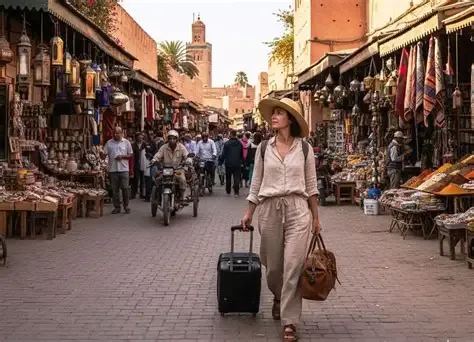
When you’re lost in the medina, don’t pull out your phone on the street — that’s an invitation for a snatch. Step into a shop or café, ask the owner for directions, and walk with purpose. Confidence is your best safety tool.
Travel It With Us
Discover Morocco beyond the usual highlights. From winding medina streets and mountain landscapes to local food and unforgettable encounters, we’ll help you experience the country at a slower, more authentic pace. Come travel Morocco with us.
- 14-Day Morocco Classic Tour — 14 Days / 13 Nights · From €1890/person
- 10-Day Atlantic to Sahara Tour — 10 Days / 9 Nights · From €1390/person
FAQ
Which is safer, Morocco or Turkey?
Both have similar terrorism risks, but Morocco generally has lower crime rates. Turkey has experienced more political instability recently. Always check current advisories before travelling.
Can a woman wear shorts in Marrakesh?
Yes, but it’s culturally respectful to wear longer shorts or skirts. In tourist areas, shorts are common, but to avoid unwanted attention, dress modestly.
Is Morocco safer than Mexico?
Morocco has less violent crime than Mexico, especially drug-related violence. Petty crime is similar in both countries. Morocco is generally considered safer for tourists.
Is Morocco affected by the Iran War?
No, Morocco is not involved in the Iran conflict and is geographically distant. There is no direct impact on tourist safety.
Is Morocco safe for U.S. citizens right now?
Yes, the US State Department has a Level 2 advisory, meaning exercise increased caution. No specific threats target Americans. Follow standard safety precautions.
What should I do in a medical emergency?
Dial 150 for an ambulance. Public hospitals are basic; head to a private clinic if possible. Always have travel insurance that covers medical evacuation.
Are taxis safe in Morocco?
Official petit taxis are generally safe if you insist on the meter. Avoid unlicensed taxis hailed via ride-sharing apps, as the UK FCDO warns they may be uninsured.
Do I need to worry about earthquakes?
Morocco is in a seismic zone. The 2023 earthquake killed almost 3,000 people. While rare, know the safety procedures at your accommodation.