By Nizar Alami, Founder · Reviewed by Moussa Benkhalifi, Driver-guide · Updated 2026-10-01
December in Morocco is a season of striking contrasts: snow-dusted peaks, crisp desert nights and sunlit coastal afternoons. It’s the country’s quietest travel window, yet it hums with festive energy in the cities. For a deeper dive into year-round itineraries, explore our Morocco tour options to suit any season.
Quick answer: Quick answer
Yes, Morocco in December is well worth visiting. Expect mild days in coastal cities, cooler nights inland, and snow in the High Atlas. It’s low season with affordable prices except during Christmas and New Year. Explore Marrakech, Fes, the Sahara Desert and coastal towns – just pack layers and book ahead for festive stays.
What to Expect in Morocco in December
December trades the scorching summer heat for gentle winter sun and far fewer visitors. The medinas feel more intimate, the mountain panoramas are sharpened by clear air, and the Sahara offers some of its most dramatic skies. While some high-altitude passes may close after heavy snowfall, the main tourist routes remain open and welcoming. This guide walks you through the weather, the best places to visit, and essential practical tips so you can plan with confidence.
December Weather in Morocco: A Regional Guide
Morocco in December: Weather, Climate and What to Pack
Morocco in December offers a refreshing mix of winter sunshine, mild coastal weather, crisp mountain air and cool desert nights. It is an excellent time to explore the country without the intense heat of summer, but conditions can vary considerably depending on where you travel.
Morocco’s diverse geography creates several distinct climate zones in December. From the mild Atlantic coast and sunny Marrakech to the cooler Atlas Mountains and crisp desert nights, temperatures can change significantly from one region to another. Understanding these differences will help you pack appropriately and choose destinations that match your preferred level of warmth and comfort.
Marrakech: Mild Days and Cool Evenings
Marrakech is one of the most popular destinations in Morocco during December. Days are generally comfortable for sightseeing, with plenty of sunshine, while temperatures drop noticeably after sunset.
This makes December particularly pleasant for exploring the medina, visiting historic palaces and gardens, or spending time in the souks without the oppressive heat experienced during the summer months.
A light jacket or sweater is useful in the evening, while daytime clothing can remain relatively light. If you plan to spend time outdoors early in the morning, an additional layer is worthwhile.
Essaouira and the Atlantic Coast
The Atlantic coast has a more moderate climate. Essaouira, for example, tends to remain relatively mild in December, but the city's famous coastal winds can make it feel cooler than the temperature suggests.
The weather is well suited to walking along the harbour, exploring the medina and enjoying the city's cafés and restaurants. Pack layers, including a windproof jacket, particularly if you plan to spend time near the sea.
Further north, cities such as Casablanca and Rabat also experience relatively mild winters, although cloudy or rainy periods are possible.
The Atlas Mountains: Winter Conditions
December marks the beginning of winter in the High Atlas Mountains, where conditions can be dramatically colder than in Marrakech or along the coast.
Higher elevations may experience snow, and temperatures can fall below freezing at night. Mountain villages can therefore feel considerably colder, particularly after sunset.
If hiking or staying in the mountains is part of your itinerary, bring warm layers, a waterproof outer layer and suitable footwear. Winter conditions can also affect mountain roads, so travellers should allow flexibility in their plans.
The Sahara: Warm Sun, Cold Nights
The Moroccan desert can be surprisingly varied in December. During the day, sunshine can make the landscape feel pleasantly warm, while temperatures fall quickly after sunset.
If you are planning an overnight stay in a desert camp, warm clothing is essential. A fleece, warm jacket, long trousers and comfortable closed shoes will make the experience much more enjoyable.
The clear winter skies can also make December an excellent month for stargazing. Away from city lights, the desert offers exceptionally atmospheric night-time views.
What to Pack for Morocco in December
Because of the country's regional variations, layers are the key to comfortable December travel.
Consider packing:
Lightweight shirts and tops for sunny daytime weather
A warm sweater or fleece
A light-to-medium jacket
Long trousers
Comfortable walking shoes
A windproof or waterproof jacket for the Atlantic coast
Warmer clothing if travelling into the Atlas Mountains or Sahara
Sunglasses and sunscreen
A scarf or shawl for cooler evenings and more conservative settings
It is also worth choosing versatile clothing that can be adapted throughout the day. A sunny afternoon can give way to a surprisingly cool evening, particularly inland.
Is December a Good Time to Visit Morocco?
For many travellers, December is an excellent compromise between comfortable temperatures and winter sunshine. The cooler weather makes sightseeing and outdoor activities more enjoyable than during the hottest months, while southern Morocco can still offer plenty of bright, sunny days.
The key is to plan according to the region. A coastal escape, a city break in Marrakech, a mountain adventure and a desert excursion can all feel completely different at this time of year.
A Season of Contrasts
One of the great pleasures of visiting Morocco in December is experiencing these contrasts within a single journey. You can explore a sunny medina in Marrakech, encounter snow-covered peaks in the Atlas Mountains and watch the sun set over the Sahara—all within the same trip.
Rather than packing for one single climate, prepare for several. With the right layers and a flexible itinerary, December provides an ideal opportunity to discover Morocco's cities, mountains, coast and desert in a cooler and often wonderfully atmospheric season.
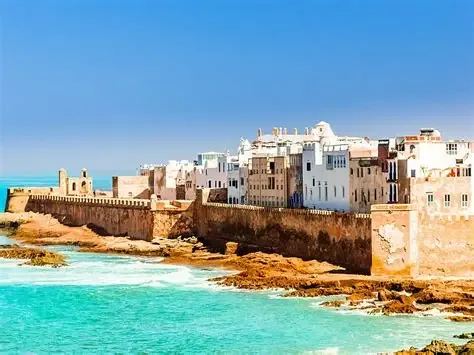
Coastal Cities: Casablanca, Essaouira, Rabat
Mild Days Along Morocco’s Atlantic Coast
Morocco’s Atlantic-facing cities enjoy a mild and refreshing climate in December. Days often bring a pleasant mix of sunshine and passing showers, while the Atlantic breeze keeps temperatures comfortable rather than hot. Even around midday, a light jacket can be useful, especially when walking close to the sea.
As evening arrives, temperatures drop noticeably. A warm sweater or jacket is therefore essential for enjoying seaside strolls, harbour views and outdoor dining. Cities such as Essaouira, Casablanca and Rabat offer a particularly atmospheric experience at this time of year, combining winter sunshine with the unmistakable freshness of the Atlantic.
Imperial Cities: Marrakech, Fes, Meknes
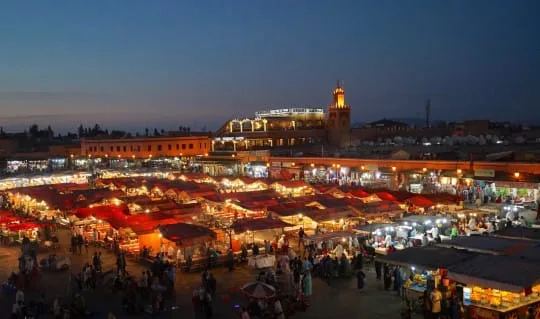
Marrakech: Warm Winter Days and Cool Evenings
December brings some of the most comfortable sightseeing conditions to Marrakech. Days are pleasantly warm, making it easy to wander through the souks, explore historic palaces and discover the city’s gardens without the intense heat of summer.
After sunset, however, temperatures can drop sharply. The thick stone walls and narrow lanes of the medina can feel particularly chilly, so a warm jacket or sweater is essential for evening walks and outdoor dining.
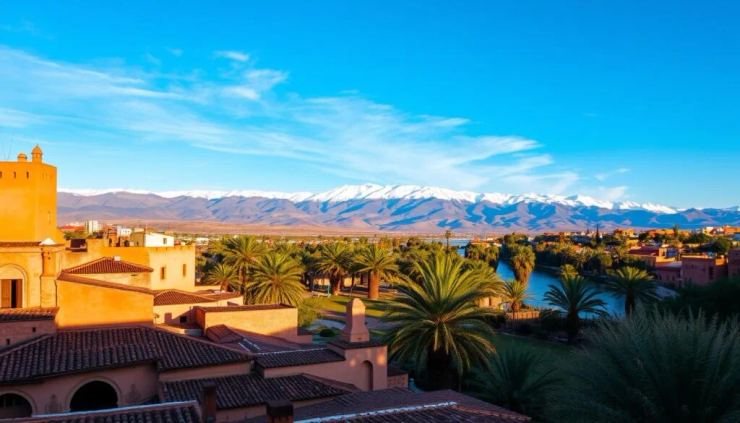
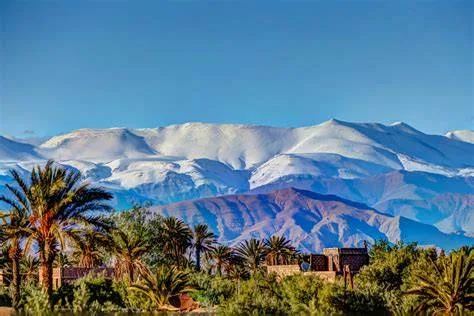
Early risers are especially rewarded. On clear winter mornings, the snow-capped High Atlas Mountains can appear dramatically beyond Marrakech’s rooftops, creating one of the city’s most memorable seasonal views.
Mountains: High Atlas, Rif
Winter in Morocco’s Mountains
Winter transforms Morocco’s mountain landscapes into a striking mix of snow, crisp air and dramatic scenery. In the High Atlas, snow can cover elevations above roughly 1,500 metres, creating beautiful conditions for winter trekking and mountain adventures. Proper cold-weather clothing, sturdy footwear and careful planning are essential, however, as temperatures can fall well below freezing at higher elevations.
Some remote mountain passes may be temporarily closed after heavy snowfall, while the main Tizi n’Tichka route between Marrakech and the Ouarzazate region generally remains an important winter route, although conditions can change quickly and travellers should check locally before setting out.
Further north, the Rif Mountains experience a cooler and wetter winter climate. Chefchaouen, nestled among the Rif peaks, can take on a particularly atmospheric character in December, with misty hills, soft winter light and occasional rain adding to the charm of its famous blue-painted streets.
For travellers prepared for cooler conditions, Morocco’s mountains in winter offer a quieter and wonderfully scenic side of the country.
Sahara Desert: Merzouga & Zagora
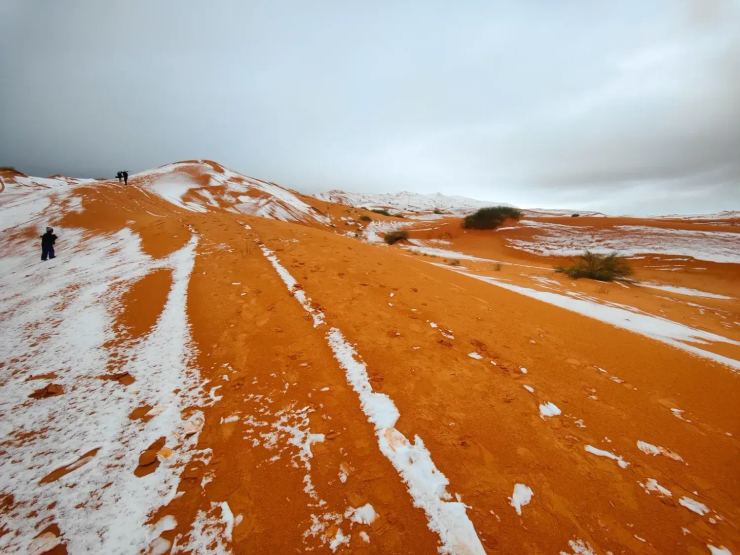
Winter in the Moroccan Desert
December brings a magical contrast to Morocco’s desert landscapes. Days are typically mild, dry and sunny, making it a comfortable time to explore the dunes, ride a camel or simply walk across the vast, golden landscape. Once the sun disappears, however, temperatures can fall dramatically, with nights sometimes approaching freezing.
Despite the cold, winter is an exceptional season for desert camping. The air is often wonderfully clear, creating spectacular conditions for stargazing. Far from city lights and surrounded by an almost complete silence, spending a night among the dunes can be one of the most memorable experiences of a Moroccan journey.
Warm clothing is essential. Pack thermal layers, a fleece or insulated jacket, warm socks and a good-quality sleeping bag, particularly if you are staying in a traditional desert camp. The effort is well rewarded in the morning, when the first rays of sunlight illuminate the dunes in shades of gold and orange.
For travellers willing to embrace the cold after dark, a winter night in the Moroccan desert offers an unforgettable combination of silence, stars and spectacular sunrise views.
Crowds and Prices: Low Season with Festive Spikes
December is firmly low season across Morocco, meaning fewer tourists, shorter queues at major sights and lower airfares. Accommodation prices drop noticeably – except during the Christmas and New Year period, when demand surges and the most popular riads sell out weeks in advance. If you’re travelling over the festive week, book early.
Some desert camps close for the winter, but RedCity Rides operates year-round. Our 3-Day Sahara Desert Tour (Merzouga) runs throughout December, and the 14-Day Morocco Classic Tour covers imperial cities, mountains and desert in one seamless journey.
Best Places to Visit in Morocco in December
Marrakech: Festive Medina & Snowy Backdrop
The Red City feels especially magical in December. The cooler weather makes exploring Djemaa el-Fna and the souks a pleasure, and the distant Atlas peaks often wear a crown of snow. Many riads and restaurants host festive dinners, and the city’s gardens remain green and peaceful. For a deeper seasonal guide, read our Complete Marrakech winter guide.
Fes: The Spiritual Heart Without the Heat
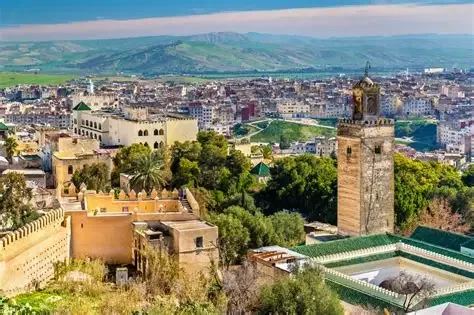
Fes el-Bali: A Cooler Way to Discover Morocco’s Ancient Medina
In the heart of Fes, the historic medina of Fes el-Bali is one of Morocco’s most fascinating places to explore. Its maze of narrow lanes, traditional workshops, mosques and bustling souks can feel overwhelming during the heat of summer, when temperatures make long walks more demanding.
December offers a very different experience. With cooler conditions, travellers can take their time wandering through the medina’s winding alleyways, discovering hidden courtyards, artisan workshops and centuries-old architecture without the intensity of the summer heat.
The slower pace of winter also makes it easier to appreciate the atmosphere of Fes. Pause at a café for a glass of fragrant mint tea, watch craftsmen at work and listen to the sounds of daily life echoing through the ancient streets.
Fes el-Bali is a place best experienced on foot, and the cooler December weather makes exploring its labyrinthine streets particularly enjoyable. With fewer visitors than during peak periods, the medina can feel more intimate, allowing travellers to experience the city’s rich cultural and spiritual character at a relaxed pace.
Whether you're visiting historic madrasas, browsing the souks or simply getting pleasantly lost among the old city’s winding passages, December provides an atmospheric and comfortable season in which to discover Fes.
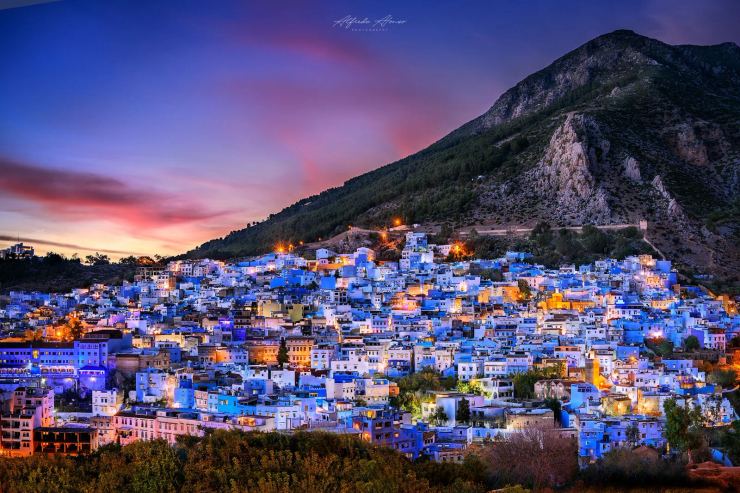
Chefchaouen: Blue City Under Winter Light
The Mystery of the Blue
The most intriguing question about Chefchaouen is simple: why is it blue? There is no single definitive answer, but rather a collection of theories that intertwine history, faith, and practicality.
The most widely accepted explanation points to the city's Jewish heritage. In the 15th century, and again in the 1930s, Jewish refugees fleeing the Spanish Inquisition and later the rise of Hitler in Europe, settled in large numbers in Chefchaouen. In the Jewish tradition, the color blue symbolizes the sky and heaven, serving as a reminder of God's presence and spirituality. These early residents painted their homes in shades of blue, a practice that gradually spread throughout the entire medina.
Other theories offer more practical or poetic explanations. Some suggest that the blue paint acts as a natural mosquito repellent or helps keep the houses cooler during the hot summer months. Another poetic theory suggests the blue mirrors the color of the Ras el-Maa waterfall, which flows through the city, symbolizing purity. More recently, the color has been actively promoted for tourism, with residents repainting their homes annually in a fresh coat of lime wash and indigo pigment to maintain the city's enchanting appearance.
A Brief History
Chefchaouen was founded in 1471 by Moulay Ali Ben Moussa Ben Rached El Alami as a small fortress to defend against Portuguese invaders. This original structure, the Kasbah, still stands at the heart of the city. Over the centuries, a settlement grew around the fortress, attracting local tribes, Moors from Spain, and Jews, creating a unique cultural blend. The city was captured by Spain in 1920 and was returned to Morocco upon its independence in 1956.
Top Things to See and Do
Despite its small size—the medina can be walked across in about 15 minutes—Chefchaouen is packed with sights and experiences.
Get Lost in the Medina: The best way to experience Chefchaouen is to simply wander aimlessly through its winding blue streets. Forget the map and discover charming blue doors, arches draped in bougainvillea, and quiet corners where locals go about their day.
Plaza Uta el-Hammam: This is the heart of the city, a cobbled, tree-lined square dominated by the red mudbrick Kasbah. It's the perfect spot to sip a glass of mint tea at a café and watch the world go by.
The Kasbah and Ethnographic Museum: Built in 1471, this fortress now houses a small ethnographic museum where you can explore the region's history and culture through exhibits of pottery, photographs, and weapons. Climbing the tower offers a great view over the medina.
Spanish Mosque Viewpoint: For the most breathtaking panoramic view of the blue city, take the 20-minute uphill walk to the Spanish Mosque (also known as Bouzafar Mosque). The best time to go is about 45 minutes before sunset, when the sun paints the blue rooftops golden.
Ras el-Maa Spring: Just outside the medina's eastern gate, this freshwater spring and small waterfall is a lively spot where locals gather to wash clothes and children play in the cold mountain water. It's an authentic slice of daily life.
Day Trip to Akchour Waterfalls: A popular excursion from Chefchaouen is a trip to the Akchour Waterfalls. A shared taxi can get you there in about 45 minutes, where you can hike to the Lower Cascade or the impressive natural stone arch known as "God's Bridge".
Practical Travel Tips
Best Time to Visit: The ideal times to visit are during the spring (March–May) and autumn (September–November). The weather is mild, with temperatures between 18-25°C, making it perfect for walking and photography. Summers are warm but more crowded, while winters are cool and can bring rain.
Getting There: Chefchaouen is accessible by car or bus from major cities. The journey takes about two hours from Tangier, four hours from Fez, and six hours from Casablanca.
Photography Tips: To capture the blue city at its best, head out in the early morning (before 7:30 AM) or during the golden hour before sunset. Midday light can be harsh and create strong shadows in the narrow alleys.
What to Eat: The local cuisine is a highlight. Be sure to try a hearty tagine (a slow-cooked stew), couscous (especially on Fridays), and the local specialty, spicy goat cheese. For a refreshing drink, try the signature "blue lemonade" at Café Clock.
Shopping: Chefchaouen is famous for its woven blankets, rugs, and leather goods. Prices here are generally more reasonable than in Marrakech or Fez. Bring cash, as not all shops accept cards.
In a country known for its bustling imperial cities, Chefchaouen offers a distinctly different rhythm. Its tranquil atmosphere, combined with the surreal beauty of its blue-washed streets and the stunning backdrop of the Rif Mountains, makes it an unforgettable destination that truly lives up to its name as Morocco's "Blue Pearl."
Sahara Desert: Winter Magic Under the Stars
Winter camping in the Sahara is an experience unlike any other. The air is crisp, the dunes are empty, and the night sky blazes with stars. With the right preparation, it’s one of the most memorable things you can do in Morocco. Learn more in our Sahara desert in winter guide, and consider the 10-Day Atlantic to Sahara Tour for a coast-to-desert adventure.
Coastal Escapes: Essaouira & Agadir
Essaouira: The Windy Blue Jewel
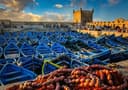
About two and a half hours by road from Marrakech, Essaouira feels like a different world. Its UNESCO-listed medina is a maze of whitewashed walls, blue shutters, and quiet alleyways, all enclosed by dramatic stone ramparts that face the Atlantic. The Skala de la Ville, with its old Portuguese cannons and views over the crashing waves, is the city’s most famous viewpoint—and one of the best places in Morocco to watch the sunset.
Essaouira is famously windy. The trade winds that sweep across the bay have made it a paradise for kitesurfers and windsurfers, but they also give the city its character: fresh, salty, and slightly wild. In winter, the wind can be brisk, yet the sun often shines, and temperatures hover around 18–20°C. The beach is wide and walkable, and because the summer crowds have gone, you can often stroll for long stretches with almost no one else around.
The seafood is a major reason to come. At the port, fishing boats unload their catch each morning, and tiny grills fire up with sardines, sea bream, calamari, and shrimp. Sitting at a simple plastic table with a plate of grilled fish, a wedge of lemon, and a glass of mint tea is one of Morocco’s great simple pleasures. In winter, when the beach is quiet and the ramparts are empty, that meal tastes even better.
Beyond the food and views, Essaouira has a creative soul. Its annual Gnaoua World Music Festival draws visitors from around the world, and galleries, workshops, and small riads fill the medina. Outside town, argan oil cooperatives and the ruins of the old Sultan’s Palace at Diabat make easy half-day trips.
Agadir: The Sunny Resort
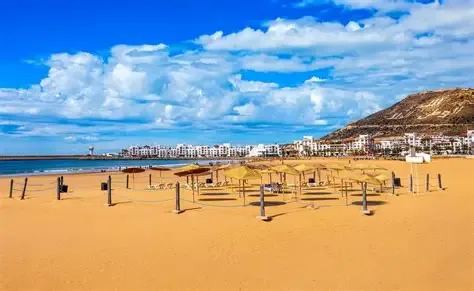
If Essaouira is wind and mystery, Agadir is sunshine and ease. Located further south, Agadir enjoys warmer winter temperatures—often 20–24°C during the day—and more than 300 days of sunshine a year. After a devastating earthquake in 1960, the city was rebuilt as a modern resort destination, with wide boulevards, beachfront hotels, and a long crescent-shaped promenade.
Agadir’s main appeal is its beach: a broad sweep of golden sand where you can swim, sunbathe, jog, or simply sit at a café and watch the surf. The city is relaxed and family-friendly, with plenty of restaurants, spas, golf courses, and markets. It is not as atmospheric as Essaouira’s medina, but it is comfortable, affordable, and perfectly suited to a few days of winter sun.
For those who want a little adventure, Agadir is also a great base. Taghazout, a nearby surf village, has become a magnet for wave riders and yoga lovers. Paradise Valley, with its palm-lined pools and natural rock formations, is a popular day trip. And the Souk El Had, one of the largest markets in Morocco, is the place to stock up on spices, leather, argan oil, and crafts.
Beyond the Big Two
The Atlantic coast is not only Essaouira and Agadir. Further north, Oualidia is famous for its lagoon and fresh oysters. South of Agadir, the sleepy towns of Mirleft and Sidi Ifni offer empty beaches, dramatic cliffs, and a bohemian pace. Inland from Agadir, Taroudant—sometimes called “Little Marrakech”—is a walled city with a quieter, more local feel.
Travelling between these places is part of the pleasure. The coastal road winds past fishing villages, argan trees, and long stretches of ocean. A rental car gives the most freedom, but buses and shared taxis connect most towns reliably.
Practical Tips
Best time to visit: October to April, when the coast is mild and the crowds are thinner.
What to pack: Layers, a windbreaker for Essaouira, sunscreen, and comfortable walking shoes.
Essaouira weather: Mild but windy; evenings can be cool.
Agadir weather: Warmer and calmer; ideal for beach days and swimming, though the Atlantic can still be refreshing.
Where to stay: A riad inside Essaouira’s medina; a beachfront resort or apartment in Agadir.
What to eat: Grilled sardines, seafood tagines, oysters in Oualidia, and mint tea by the sea.
The Coast at Its Best
Morocco’s Atlantic coast offers a different kind of travel: less hurried, more spacious, and deeply connected to the sea. In Essaouira, you feel the wind and history. In Agadir, you feel the sun and ease. Between them, you find fishing ports, surf towns, oyster lagoons, and long empty beaches.
The Atlantic coast remains mild and inviting. Essaouira’s windswept ramparts and fresh seafood taste even better when you have the beach almost to yourself. Agadir offers warmer temperatures and a relaxed resort atmosphere, perfect for a few days of winter sun. For travellers seeking a quieter, saltier side of Morocco, this is the coast to follow.
Practical Tips: Packing, Safety & Cultural Etiquette
Morocco Practical Tips: Packing, Safety & Cultural Etiquette
Morocco rewards travellers who pack smart, stay aware, and respect local customs. Whether you’re wandering Chefchaouen’s blue alleys or chasing winter sun along the Atlantic coast, a little preparation goes a long way.
Packing
Pack for layers. Days can be warm and sunny, while evenings—especially in the Rif Mountains or near the coast—turn cool and windy. Bring a light jacket or windbreaker, comfortable walking shoes, and modest clothing that covers shoulders and knees. A scarf is useful for sun, wind, and visiting religious sites.
Don’t forget sunscreen, sunglasses, a hat, a refillable water bottle, hand sanitiser, and tissues. A universal adapter (type C/E), power bank, and copies of your passport are essential. Carry cash in Moroccan dirhams for small shops, taxis, and tips, and keep medication in its original packaging.
Safety
Morocco is generally safe for travellers, but petty theft and scams can happen in busy medinas and tourist areas. Keep bags zipped, avoid flashing expensive jewellery or phones, and use a hotel safe when possible. At night, stick to well-lit, busy streets.
Use licensed taxis and agree on the fare before getting in, or ask for the meter. If you hire a guide, agree on the price and duration first. Drink bottled or filtered water, eat freshly cooked food, and peel fruit yourself. Road conditions can be unpredictable, so drive defensively or hire a professional driver.
Emergency numbers: 15 (ambulance/fire), 190 (police), 177 (gendarmerie). Solo women may receive unwanted attention; dressing modestly, walking confidently, and a firm “la shukran” usually helps.
Cultural Etiquette
Morocco is a Muslim country, and modest behaviour is appreciated. Cover shoulders and knees, especially in rural areas and medinas. Public displays of affection are best avoided. During Ramadan, don’t eat, drink, or smoke publicly during daylight hours.
Greet people with “As-salamu alaykum” and reply “Wa alaykum as-salam.” Use your right hand for eating, giving, and receiving. Ask before photographing people—especially women and elders—and avoid photographing police or military sites. Non-Muslims generally cannot enter mosques, but if you are allowed inside, remove your shoes.
Bargaining is normal in souks, but do it with humour and respect. Tipping is customary: around 5–10% in restaurants, and small amounts for guides, drivers, and hotel staff. Alcohol is available in some hotels and restaurants, but not everywhere.
Travel with curiosity, patience, and respect, and Morocco will welcome you warmly—from the blue streets of Chefchaouen to the windswept shores of Essaouira and the sunny beaches of Agadir.
What to Pack for Morocco in December
Layers are your best friend. Bring a warm jumper or fleece, a waterproof jacket, comfortable walking shoes, and thermal underwear if you’re heading to the desert or mountains. A scarf and gloves are useful for chilly evenings, and don’t forget pyjamas warm enough for unheated riads or desert tents.
Safety for American Travelers
Packing for Morocco in December: Layers, Warmth, and Comfort
Morocco in December can be sunny and pleasant by day, but surprisingly cold once the sun goes down. In Marrakech, daytime temperatures might reach 20°C, yet evenings can drop to 5°C or lower. In the Atlas Mountains and the Sahara, nights can fall below freezing. Along the Atlantic coast, wind and damp air make the chill feel sharper. The key to enjoying all of it is simple: layers.
Layers are your best friend. Bring a warm jumper or fleece, a waterproof jacket, comfortable walking shoes, and thermal underwear if you’re heading to the desert or mountains. A scarf and gloves are useful for chilly evenings, and don’t forget pyjamas warm enough for unheated riads or desert tents.
The Daytime Layer
December days are often bright and mild, especially in Agadir, Marrakech, and the desert. A light long-sleeve shirt, T-shirt, or thin merino base layer works well. Add a mid-layer—a fleece, hoodie, or light down jacket—that you can remove when the sun is strong. A breathable waterproof shell is useful for coastal wind, rain showers, and mountain weather.
The Evening Layer
Nights are where December catches travellers off guard. Bring a proper warm jacket, not just a fashion coat. A packable down jacket or insulated synthetic jacket is ideal. Add a scarf, gloves, and a warm hat. If you are visiting the desert, remember that the temperature can plummet within an hour of sunset.
Desert and Mountain Extras
If your itinerary includes the Sahara, the High Atlas, or trekking around Imlil, pack thermal underwear, warm socks, and a hat that covers your ears. A headlamp or small torch is essential in desert camps. A sleeping bag liner adds warmth and comfort in tents. For mountain walks, bring broken-in hiking shoes with good grip and blister plasters.
Riads and Desert Tents
Many traditional riads are beautiful but not centrally heated. Desert tents can be cosy with blankets, but the cold still seeps in. Warm pyjamas, thick socks, and a light robe or hoodie are worth their weight. Slippers are handy for tiled floors and for moving between tent and bathroom at night.
Footwear
Comfortable walking shoes are non-negotiable. Medina streets are uneven, dusty, and sometimes slippery. Bring shoes you can walk in for hours. Sandals are fine for warmer coastal days, but closed shoes are better for markets, ruins, and mountain paths. If you plan to visit a mosque or religious site, shoes you can slip off easily are a bonus.
Accessories and Toiletries
Pack sunscreen, sunglasses, and lip balm with SPF—even winter sun in Morocco is strong. A reusable water bottle, hand sanitiser, tissues, and wet wipes are useful on long travel days. Bring any medication you need in its original packaging, plus a small first-aid kit. A universal adapter, power bank, and extra memory card will keep your devices ready.
Final Tips
Choose clothes you can mix and match. Neutral colours work well in photos and hide dust. Respect local culture by keeping shoulders and knees covered, especially in rural areas and medinas. Leave a little space in your bag for souvenirs—woven blankets, argan oil, leather goods, and spices are hard to resist.
December in Morocco is a season of clear light, quiet medinas, and cosy evenings. Pack for warmth, comfort, and flexibility, and you’ll be ready for everything from Chefchaouen’s cool mountain air to Essaouira’s windswept ramparts and the desert’s star-filled cold.
Can Women Wear Shorts in Marrakech?
A Quieter December in Morocco: Marrakech, Fes, and Essaouira
December is one of the most magical times to visit Morocco. The light is soft, the medinas are calm, and the desert nights are cold but clear. Yet there is one week when the peace vanishes: the stretch between Christmas and New Year, when Marrakech becomes a magnet for holiday travellers from Europe and beyond. If you prefer a quieter visit, steer clear of Marrakech during the week between Christmas and New Year, when the city fills with holiday travellers and prices peak. The rest of December is wonderfully calm. Alternatively, base yourself in Fes or Essaouira and day-trip into Marrakech.
Why Marrakech Gets Busy
Marrakech is a year-round destination, but the Christmas–New Year week is its busiest. Riads sell out months in advance, restaurant tables are hard to find, and prices for hotels, taxis, and guides can double. The Jemaa el-Fnaa is packed, the souks are thronged, and the usual tranquillity of the medina gives way to a holiday bustle. For some travellers, that energy is part of the fun. For others, it is exactly what they want to avoid.
The Rest of December
Outside that peak week, December in Marrakech is delightful. Daytime temperatures often reach 18–20°C, perfect for wandering the souks, visiting the Majorelle Garden, or sipping mint tea on a rooftop terrace. Evenings are cool, so you will need a jacket, but the crowds are thin and the city feels like it belongs to those who know it best. Hotel rates are lower, guides are more available, and you can actually enjoy the medina at your own pace.
Alternative Bases: Fes and Essaouira
If you want the best of both worlds—Morocco’s imperial grandeur without the holiday crush—consider basing yourself elsewhere and visiting Marrakech as a day trip or overnight.
Fes is Morocco’s spiritual and cultural heart. Its medina, Fes el-Bali, is a UNESCO-listed labyrinth of tanneries, madrasas, and souks that feels more authentic and less commercialised than Marrakech. December days are mild, and the city is quiet. From Fes, Marrakech is about a six-hour drive, so a day trip is possible but long. Better to spend a night or two in Marrakech if you go, or simply enjoy Fes on its own and save Marrakech for a quieter season.
Essaouira is the easier base for a Marrakech day trip. The windswept Atlantic port is just two and a half hours from Marrakech by road. You can leave in the morning, spend the day exploring the red city, and return to the coast for a seafood dinner and a peaceful night by the sea. Essaouira itself is a joy in December: quiet, sunny, and full of character. The ramparts, the fishing port, and the long beach are blissfully empty.
Practical Tips
Book early if you must travel during the Christmas–New Year week. Otherwise, book last-minute and enjoy the calm.
Check riad heating. Many traditional riads are beautiful but cold in winter. Ask about heaters and blankets.
Pack layers. December days are mild, but nights are cold, especially in the desert and mountains.
Use Essaouira as a coastal base. It is cooler and windier than Marrakech, but the sun still shines and the seafood is superb.
Consider Fes for culture. If you want deep history without the crowds, Fes is hard to beat.
Day-trip smartly. From Essaouira, take an early bus or shared taxi to Marrakech, and return before dark. From Fes, plan an overnight.
The Quiet Side of December
Morocco in December is a gift for travellers who value calm over crowds. The medinas are peaceful, the desert is crisp, and the Atlantic coast is mild and inviting. By avoiding the Christmas–New Year rush in Marrakech—or by using Fes or Essaouira as your base—you can experience the best of the country without the holiday hustle. Steer clear of the peak week, and the rest of December will reward you with space, serenity, and some of the finest travel memories Morocco has to offer.
Avoiding Marrakech When It’s Overcrowded
Dressing Respectfully in Morocco: A Traveler’s Guide
Shorts are acceptable in modern hotels, pool areas and beach resorts, but they are not appropriate in medinas, religious sites or rural villages. To blend in and show cultural respect, choose knee-length or longer skirts and trousers, and keep your shoulders covered. This simple adjustment will make your experience smoother and more comfortable.
Morocco is a welcoming country, but it is also a conservative one in many places. Dress is not about strict rules so much as reading the room. On the beach in Agadir or beside a hotel pool in Marrakech, swimwear and shorts are perfectly normal. In the winding alleys of a medina, at a mosque, or in a mountain village, more modest clothing shows respect and often makes daily interactions easier.
Where Shorts and Swimwear Work
Modern hotels, riads with pools, beach resorts, and organized beach clubs are relaxed. Swimwear is fine at the pool or on the sand, but it should not be worn into town, into shops, or into restaurants away from the beach. A cover-up, sarong, or light dress is useful for moving between the pool and your room.
Where to Cover Up
In medinas, souks, religious sites, and rural villages, keep shoulders and knees covered. This applies to men as well as women. Tank tops, very short shorts, and tight clothing can attract unwanted attention and may feel disrespectful. A loose linen shirt, long trousers, or a knee-length skirt is a simple solution. Women may also want a light scarf to drape over their shoulders or hair when visiting a shrine or religious site.
What to Pack Instead
Choose breathable fabrics: cotton, linen, and lightweight blends. Loose trousers, maxi skirts, midi dresses, and jumpsuits are comfortable and appropriate almost everywhere. For men, long trousers or chinos are safer than shorts in towns and villages. Layering helps with Morocco’s temperature swings—warm days, cool evenings, and cold desert nights.
Practical Tips
Keep a scarf or pashmina in your day bag. It works as a shoulder cover, sun shield, or head cover if needed.
Wear comfortable shoes for uneven medina streets.
Swimwear stays at the pool or beach.
During Ramadan, dress especially modestly and avoid eating or drinking in public during daylight hours.
Ask before photographing people, especially women and elders.
When in doubt, err on the modest side.
Comfort and Confidence
Modest clothing is not just about respect. It also protects you from strong sun, dust, and insects, and it helps you blend in rather than stand out. In busy souks, you will receive less unwanted attention and feel more at ease. In rural areas, you will be treated with greater warmth and openness.
Morocco rewards travellers who dress for the setting. Wear what you like in resorts and at the beach, but cover up in medinas, religious sites, and villages. This simple adjustment will make your experience smoother, more comfortable, and more respectful—from the blue streets of Chefchaouen to the windswept ramparts of Essaouira and the sunny beaches of Agadir.
Local tip from Nizar
Local Tip from Nizar: See Morocco Before It Wakes
Nizar, a local guide from Chefchaouen, has one rule for travellers: “If you want to see Morocco, wake up before it does.”
His advice is simple. Set your alarm for just before sunrise, skip the hotel breakfast, and step into the medina. In Chefchaouen, that means blue alleys empty except for shopkeepers sweeping, cats slipping between doorways, and the smell of fresh bread drifting from tiny bakeries. The light is soft, the photographs are better, and locals have time to talk before the tour groups arrive.
“Tourists see monuments,” Nizar says. “Early risers see life.”
That same tip works across the country. In Fes, you can watch the tanneries before the crowds. In Marrakech, the Jemaa el-Fnaa is quiet and almost peaceful. In Essaouira, fishing boats return to the port with the morning catch. In Agadir, the long beach is yours alone.
Nizar’s other local tips:
Learn “As-salamu alaykum” and “Shukran.” A greeting opens doors.
Dress modestly in medinas, villages, and religious sites. Save shorts for hotels and beaches.
Eat where locals eat. Follow the queue, not the menu with photos.
Carry small change for tips, taxis, and bread.
Ask before photographing people, especially women and elders.
In December, pack layers. Mornings are cold, afternoons mild, evenings chilly.
Avoid Marrakech between Christmas and New Year. The rest of December is wonderfully calm.
Base in Essaouira or Fes and day-trip if you want a quieter experience.
Bargain with humour, not anger.
Drink mint tea. Sit. Watch. Don’t rush.
Travel it with us
- 14-Day Morocco Classic Tour — 14 Days / 13 Nights · From €1890/person
- 10-Day Atlantic to Sahara Tour — 10 Days / 9 Nights · From €1390/person
- 3-Day Sahara Desert Tour (Merzouga) — 3 Days / 2 Nights · From €399/person
You might also like
- Complete Marrakech winter guide
- Chefchaouen day trip tips
- Sahara desert in winter
FAQ
Is it worth visiting Morocco in December?
Absolutely. December offers mild days, low tourist numbers and a chance to experience Morocco’s diverse landscapes without extreme heat. Festive events in cities and snow-capped mountain views add a unique charm unavailable in summer. Desert camping remains possible with preparation for cold nights and stunning clear skies.
Is Morocco affected by the Iran War?
No. Morocco is geographically distant and politically stable; it is not involved in or affected by the Iran conflict. The country maintains normal tourism operations and high safety standards for visitors.
When should I avoid Marrakech?
Avoid the week between Christmas and New Year if you dislike crowds and inflated prices. Otherwise, December is a quiet month. Summer (July–August) is extremely hot and crowded – December is a welcome contrast.
Is it safe for Americans to go to Morocco right now?
Yes, Morocco is generally safe for American visitors. It has a low crime rate against tourists and strong security measures. Exercise usual travel precautions: avoid isolated areas at night, watch for petty theft in medinas, and respect local customs.
Can a woman wear shorts in Marrakech?
Shorts are acceptable in modern hotels, poolsides and beach towns, but not in medinas, mosques or rural areas. To avoid unwanted attention and show cultural respect, opt for knee-length or longer skirts or trousers and cover your shoulders.
What is safer, Morocco or Egypt?
Both are safe for tourists, but Morocco generally has lower rates of harassment and political instability than Egypt, according to traveler feedback. Morocco’s monarchy-backed stability and well-established tourism police make it a consistently secure choice.